
Why Revenue Protection as a Service Is an Exclusive Must-Have in 2026
May 15, 2026
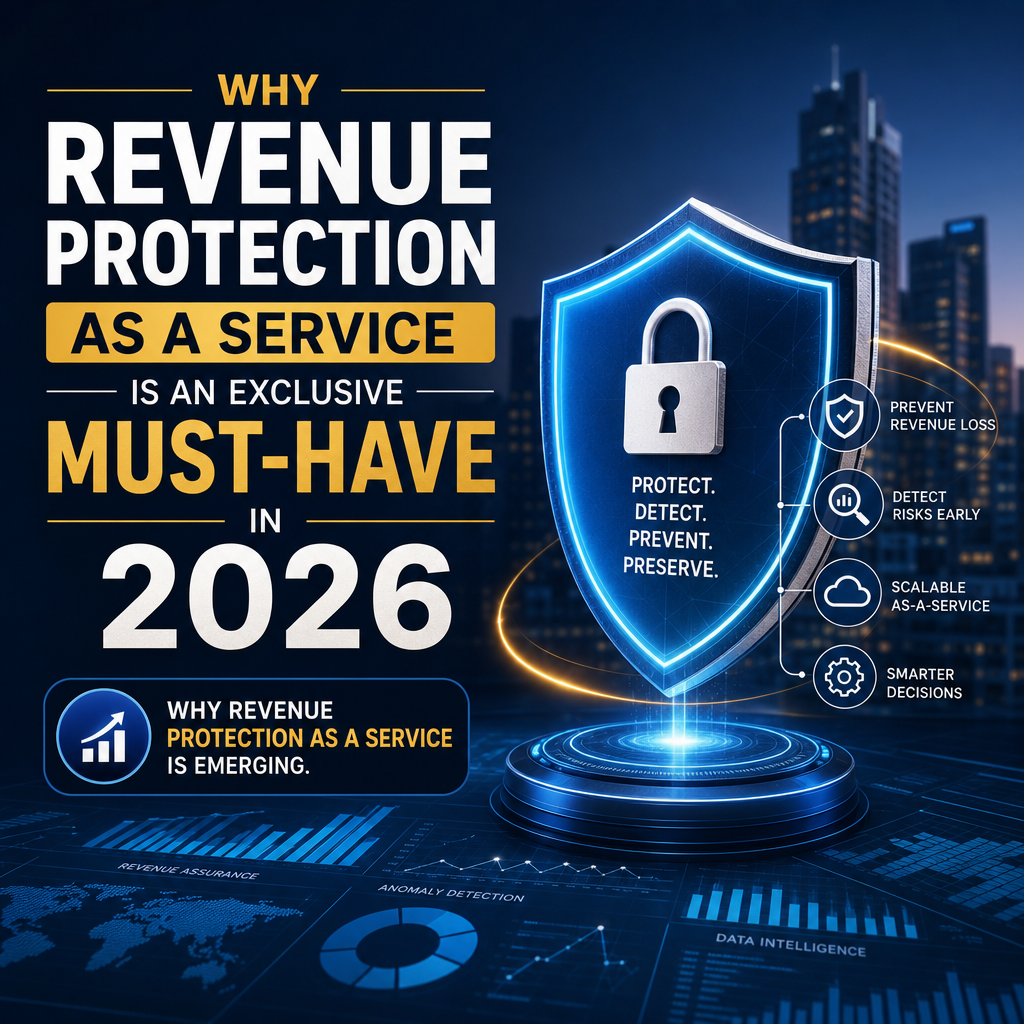
Why Revenue Protection as a Service Is Emerging as an Exclusive Must-Have in 2026
Revenue protection as a service is rapidly gaining traction among businesses aiming to safeguard their income streams in an increasingly complex and volatile market. As companies face growing threats from cyber-attacks, billing errors, subscription fraud, and evolving regulatory challenges, conventional revenue assurance methods are proving insufficient. In 2026, adopting specialized revenue protection services is becoming not just a competitive advantage but a foundational necessity for financial stability and growth.
Understanding Revenue Protection as a Service
At its core, revenue protection as a service involves employing advanced technologies and expert-driven strategies to detect, prevent, and resolve revenue leakage and fraud. Unlike traditional, in-house revenue protection efforts that may depend on manual audits and periodic reviews, this service leverages continuous monitoring, artificial intelligence, and cloud-based tools to provide real-time insights and automated interventions.
Businesses subscribing to these services benefit from comprehensive coverage across multiple revenue touchpoints—ranging from sales and billing to collections and customer management. This holistic approach ensures that every potential source of revenue loss is systematically addressed, enhancing transparency and accountability.
Why Revenue Protection as a Service Is Emerging as a Critical Business Priority
Several market dynamics and technological advancements contribute to the rising adoption of revenue protection services:
1. Increasing Complexity of Revenue Models
In 2026, many industries operate with multi-layered, subscription-based models, dynamic pricing, and bundled offers. This complexity makes traditional revenue tracking prone to errors and fraud, leading to unnoticed revenue leakage. Revenue protection as a service offers sophisticated analytics and automation that can adapt swiftly to changing pricing structures and customer behaviors.
2. Heightened Cybersecurity Threats
Cyber threats are evolving, targetting payment systems, customer accounts, and transaction data with greater sophistication. Unauthorized access and fraudulent activities can drain revenue quickly. Services specializing in revenue protection incorporate cutting-edge cybersecurity measures that complement IT defenses, ensuring secure financial transactions and accurate billing processes.
3. Regulatory Compliance Demands
Governments and industry regulators are imposing stricter financial compliance rules to protect consumers and prevent financial crimes. Automated revenue protection services help businesses stay compliant by maintaining accurate records, conducting audit trails, and generating regulatory reports with minimal manual intervention.
4. The Shift to Cloud and SaaS Platforms
Many organizations have migrated to cloud-based ecosystems for flexibility and scalability. Revenue protection as a service leverages cloud capabilities, enabling seamless integration with existing platforms, real-time data access, and scalability to support business growth.
Key Benefits of Investing in Revenue Protection as a Service
Implementing these services offers multiple strategic advantages:
– Real-time Revenue Assurance: Continuous monitoring helps identify anomalies and unusual trends immediately, allowing companies to act before losses escalate.
– Cost Efficiency: Outsourcing revenue protection reduces the need for extensive in-house resources and allows businesses to tap into specialist expertise and technologies without upfront investment.
– Fraud Mitigation: Enhanced detection algorithms help pinpoint fraudulent activities more accurately, decreasing revenue loss and associated risks.
– Improved Customer Experience: Transparent and error-free billing enhances customer trust and loyalty, directly supporting retention and growth.
– Data-driven Decision Making: Access to comprehensive revenue analytics empowers leadership to make informed pricing and product strategies.
How to Choose the Right Revenue Protection Service in 2026
As the demand for these services grows, it is important to select a provider that aligns with your business needs:
– Industry Expertise: Look for vendors experienced in your sector to ensure tailored solutions.
– Integration Capabilities: Ensure seamless connectivity with your existing billing and ERP systems for smooth operations.
– Technology Stack: Prioritize services that use AI, machine learning, and cloud infrastructure for future-proof solutions.
– Security Standards: Check for compliance with industry certifications and data protection regulations.
– Support and Scalability: Choose providers offering proactive support and scalability to match your evolving business demands.
Conclusion
In 2026, revenue protection as a service is no longer an optional luxury but a transformative imperative. As enterprises navigate uncertain economic conditions, digital disruption, and rising fraud risks, embracing these specialized services will be key to sustainable revenue growth and risk management. Organizations that invest in proactive, technology-driven revenue protection will position themselves ahead of the competition, securing financial resilience in an ever-changing business landscape.