
Why Organizations Lose Revenue Across Disconnected Systems: The Shocking Truth
May 15, 2026
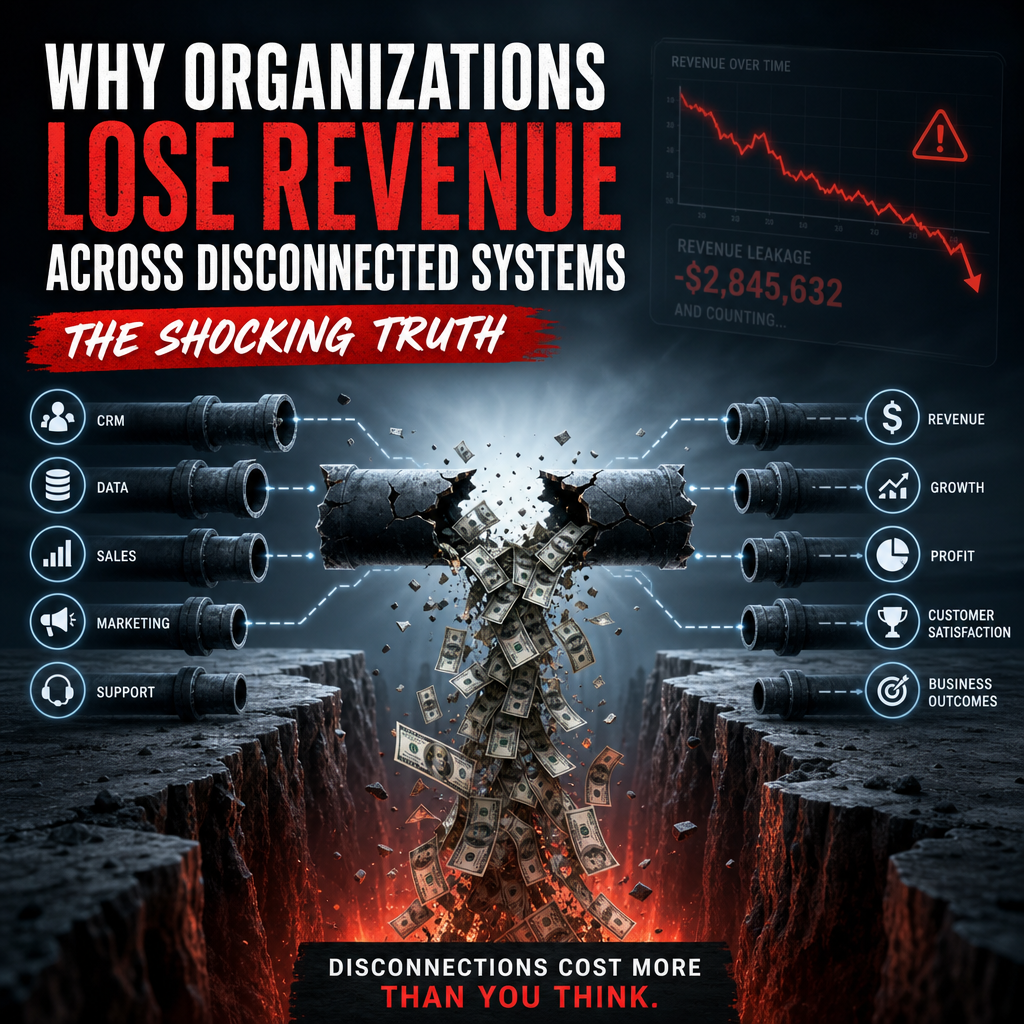
Why organizations lose revenue across disconnected systems is a critical issue that many business leaders overlook until the financial impact becomes too significant to ignore. In today’s fast-paced and highly interconnected market, having siloed systems within an organization can lead to hidden costs, inefficiencies, and lost opportunities that directly affect the bottom line. Understanding the underlying causes and consequences of these disconnected systems is crucial for companies looking to maintain competitiveness and optimize their revenue streams.
The Hidden Costs of Disconnected Systems
At first glance, systems that operate independently might seem like a manageable situation, especially if each department or branch uses specialized software tailored to its needs. However, the lack of integration means data cannot flow seamlessly across the organization. This fragmentation creates a scenario where departments are not fully aware of what others are doing, leading to redundant efforts, mistakes, and missed cross-selling or upselling opportunities.
For example, sales teams might not have real-time access to inventory or customer service data, resulting in overselling products that aren’t available or failing to address customer issues promptly. This leads to customer dissatisfaction and eventual revenue loss. Additionally, disconnected systems often require manual data entry or reconciliation, increasing labor costs and the risk of human error.
Inefficiency in Decision-Making
When organizations rely on disconnected systems, decision-makers often find themselves working with incomplete or outdated information. Reporting becomes cumbersome and inaccurate, making it difficult to identify trends, forecast demand, or allocate resources effectively. As a result, the business may invest in the wrong initiatives, miss market opportunities, or fail to respond quickly to changes—all of which directly contribute to lost revenue.
Moreover, without a unified view of performance across departments, organizations struggle to implement coherent strategies or measure their success accurately. This lack of insight can cause leadership to make poorly informed decisions, which can have serious financial implications.
Customer Experience and Revenue Leakage
Why organizations lose revenue across disconnected systems also ties directly to customer experience. Today’s consumers expect seamless, personalized interactions with brands across multiple touchpoints. When internal systems don’t communicate, it becomes nearly impossible to deliver a cohesive experience. For instance, customer support may not have access to purchase history or loyalty program data, leading to generic service that fails to build trust and loyalty.
This disconnect can result in abandoned carts, missed upsell opportunities, and ultimately, customers choosing competitors who provide a smoother experience. Every touchpoint where customer expectations aren’t met is a potential revenue leakage point that accumulates over time.
Disparities in Compliance and Risk Management
Another area often overlooked is the risk associated with disconnected systems, especially concerning regulatory compliance and financial audits. Disparate data sources increase the complexity of ensuring all records are accurate and up-to-date. This can lead to audits that reveal discrepancies or fines for non-compliance, both of which have financial consequences.
Reliance on manual consolidation of data from various systems increases the chance of errors. These errors aren’t just operational hiccups—they can result in missed payments, incorrect billing, or improper tax filings, all of which negatively impact revenue.
The Impact of Technology Debt
Disconnected systems often accumulate technology debt, where outdated or incompatible tools require constant patchwork fixes and workarounds. This situation diverts investment and effort away from innovation and growth initiatives. The cost of maintaining multiple legacy systems, training employees on different platforms, and repairing integration issues adds up quickly.
This technological fragmentation prevents organizations from scaling efficiently. Many companies find themselves trapped in a cycle where day-to-day firefighting consumes resources, leaving little room to explore new revenue models or markets.
How to Address Revenue Loss from Disconnected Systems
Understanding why organizations lose revenue across disconnected systems is the first step toward solving the problem. The ideal solution lies in moving toward integrated platforms that unify data and processes across the business. Centralized data systems, enterprise resource planning (ERP) solutions, and customer relationship management (CRM) software integrated with other operational tools can revolutionize how information flows.
Organizations should:
– Conduct audits to identify system redundancies and integration gaps.
– Prioritize investments in tools that support interoperability.
– Promote collaboration between departments to share insights and data.
– Train staff on unified platforms to reduce manual errors.
– Continuously monitor operations to quickly identify emerging disconnects.
The benefits of these strategies include improved efficiency, better customer satisfaction, and a clearer understanding of financial health—all of which help recover and grow revenue.
Conclusion
Disconnected systems are a silent but significant drain on organizational revenue. They create inefficiencies, impair decision-making, degrade customer experience, and increase compliance risks. The shocking truth is that many companies continue to lose money across these fragmented systems without realizing the full extent or source of their losses. By embracing integration and unified data management, businesses can stop revenue leakage, strengthen competitive advantage, and foster sustainable growth in an increasingly connected world.