
vCISO: Discover the Must-Have Cybersecurity Leadership Role
July 31, 2026
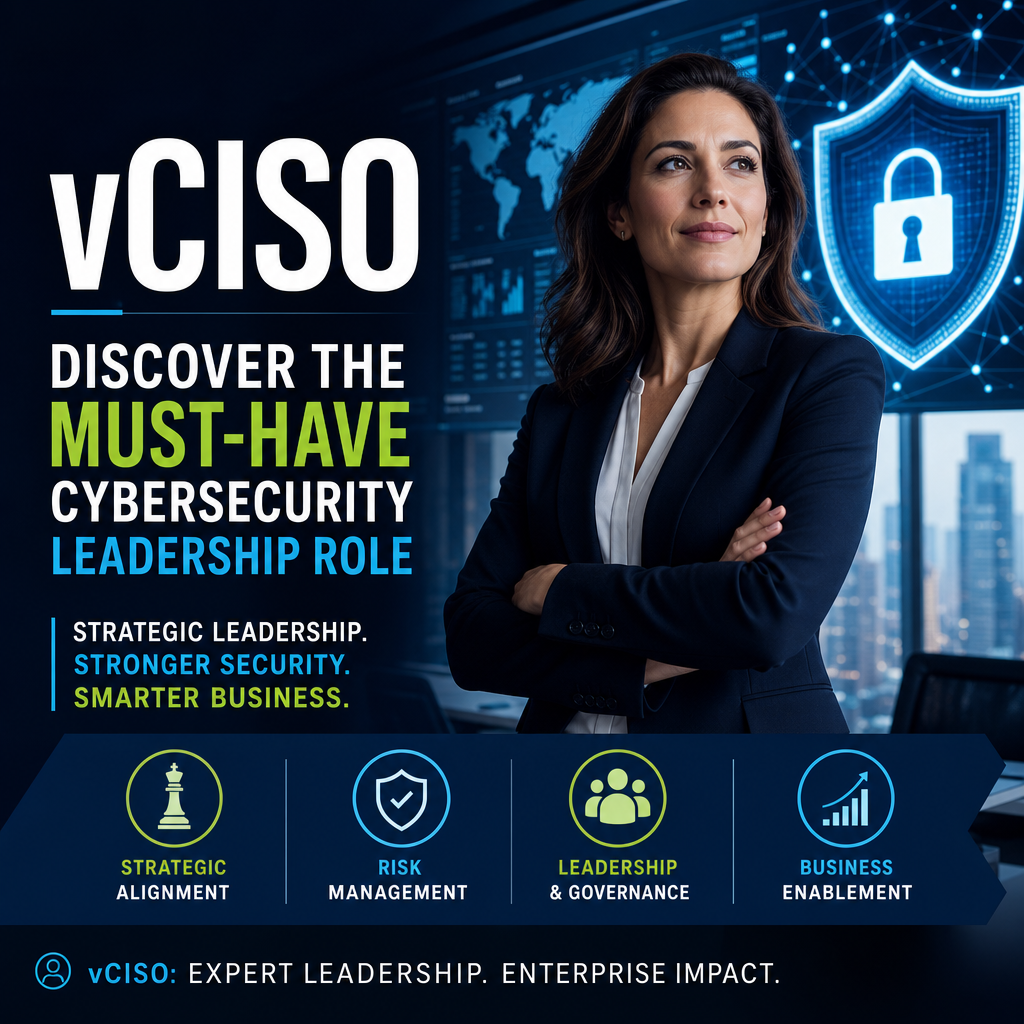
vCISO, or virtual Chief Information Security Officer, has rapidly emerged as a must-have cybersecurity leadership role in today’s digital era. As organizations face increasingly complex cyber threats, many recognize the value of having a seasoned expert guide their security strategies without the cost and commitment of a full-time executive. This emerging role delivers the expertise, strategic oversight, and governance critical for protecting a company’s digital assets and ensuring compliance with evolving regulations.
Understanding the Role of a vCISO in Cybersecurity Leadership
A vCISO is an outsourced cybersecurity leader who provides high-level guidance tailored to a company’s unique security landscape. Unlike a traditional CISO, who is a full-time internal employee, a vCISO often works on a part-time or contract basis. This model offers flexibility and access to top-tier expertise for organizations that may not have the resources or scale to maintain a full CISO team.
In terms of cybersecurity leadership, a vCISO’s responsibilities extend beyond technical oversight. They act as a bridge between executive management and IT teams, translating complex security needs into actionable business strategies. Their role includes risk assessment, policy development, incident response planning, and compliance management, helping companies build a resilient cybersecurity posture.
Why Companies Are Embracing vCISO Services
The demand for cybersecurity specialists continues to outpace the supply, making it challenging for many businesses to recruit and retain experienced leadership. vCISO services fill this gap by providing access to seasoned professionals who have managed cybersecurity at the highest levels across various industries.
Cost efficiency is another major factor driving the adoption of this role. Hiring a full-time CISO can be prohibitively expensive, especially for small and medium-sized enterprises (SMEs). A vCISO offers a scalable alternative, enabling companies to tap into expertise on an as-needed basis, tailored to their budget and risk profile.
Moreover, the rapidly evolving cyber threat landscape requires continuous adjustment of security strategies. A vCISO brings fresh perspectives and is often better positioned to incorporate the latest industry best practices, frameworks, and tools. They typically come equipped with broad knowledge across compliance standards such as GDPR, HIPAA, PCI DSS, and NIST, which is vital for regulated industries.
Key Responsibilities of a vCISO in Cybersecurity Leadership
To fully appreciate the value of the vCISO role, understanding its core responsibilities is essential:
– Strategic Security Planning: Developing and maintaining a comprehensive cybersecurity strategy aligned with business objectives.
– Risk Management: Identifying vulnerabilities, assessing potential impacts, and prioritizing mitigation efforts.
– Policy and Governance: Creating and enforcing security policies, ensuring adherence to regulatory requirements.
– Incident Response: Preparing organizations to detect, respond to, and recover from security incidents.
– Training and Awareness: Leading employee education programs to foster a culture of security throughout the organization.
– Reporting to the Board: Communicating security status and risks to senior leadership in a clear and actionable manner.
How a vCISO Enhances Organizational Cybersecurity Maturity
One of the standout benefits of a vCISO is their ability to raise an organization’s cybersecurity maturity level rapidly. By conducting thorough assessments and gap analyses, they identify weaknesses and recommend measurable improvements. This ongoing process helps companies evolve from reactive, ad hoc defenses to proactive, risk-informed security programs.
In addition, a vCISO provides objective oversight, bringing an external viewpoint that can challenge assumptions and uncover blind spots. This is particularly valuable for companies that have grown quickly or have complex IT environments spanning multiple locations or cloud services.
Choosing the Right vCISO for Your Organization
When selecting a vCISO, it’s important to consider their industry experience, technical certifications (such as CISSP, CISM, or CRISC), and their ability to communicate well with non-technical stakeholders. The right vCISO will not only understand the latest threats but will also align security initiatives with your company’s strategic goals.
Partnering with a vCISO should be viewed as a long-term collaboration. The insights and guidance they provide can shape how your organization approaches cybersecurity for years to come. Engaging a vCISO early in your digital transformation journey can prevent costly breaches and regulatory penalties down the line.
Conclusion
In the age of increasing cyber risk, cybersecurity leadership is more important than ever. The vCISO role provides flexible, expert guidance to help organizations protect themselves while optimizing resources. By embracing this must-have leadership position, businesses gain a strategic partner dedicated to safeguarding their digital future and driving continuous improvement in security readiness. The vCISO is not just a trend, but a critical component of modern cybersecurity strategy.