
System Silos: Uncover Stunning Hidden Operational Risk Dangers
July 12, 2026
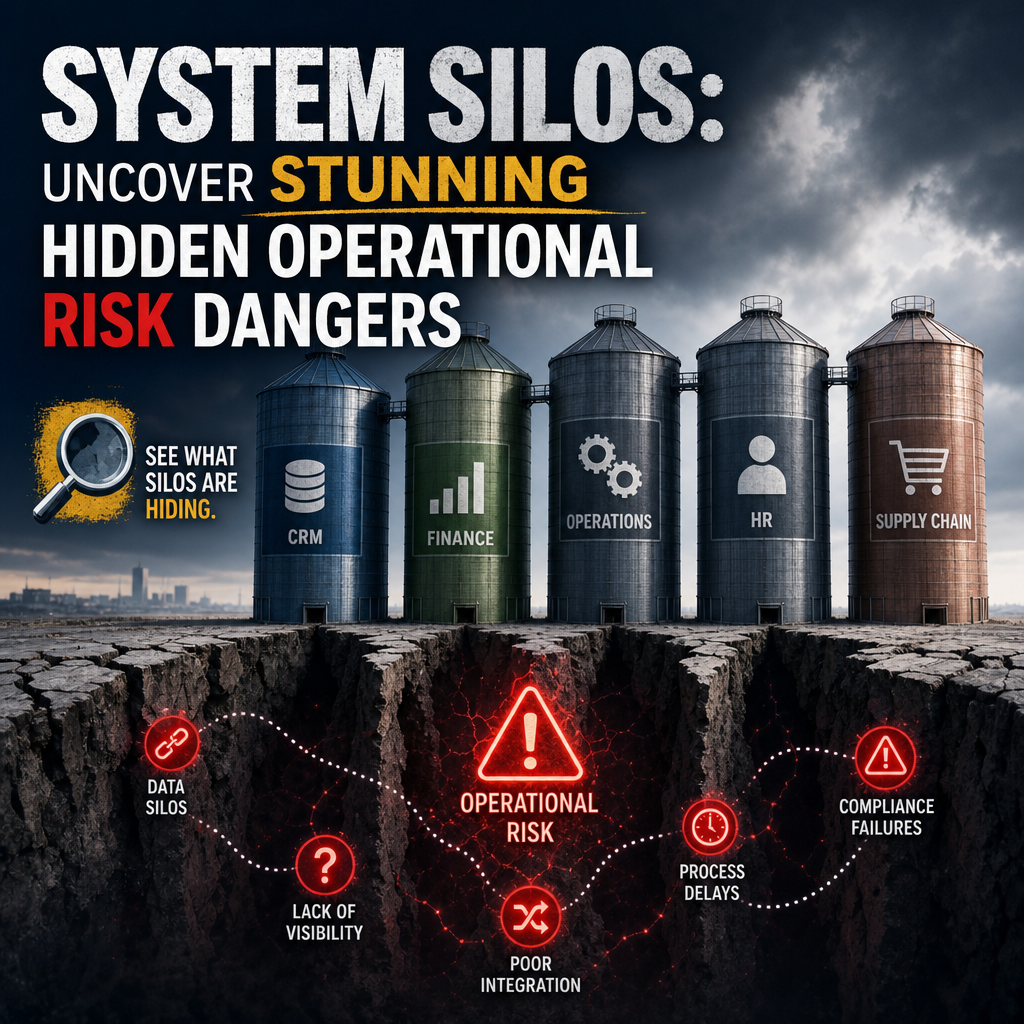
System silos can be a major source of hidden operational risk that many organizations fail to recognize until problems arise. These isolated pockets of technology and information hinder communication, reduce efficiency, and obscure critical vulnerabilities within business processes. Understanding how system silos contribute to operational risk is essential for companies aiming to build resilience, improve transparency, and safeguard their operations against unexpected disruptions.
What are system silos and why do they matter?
At its core, a system silo occurs when IT platforms, software applications, or data repositories operate independently and without adequate integration or sharing. This often happens in large organizations where different departments adopt separate solutions tailored to their specific needs without coordination. Over time, these disconnected systems create barriers that limit the flow of vital information and complicate collaboration across teams.
System silos matter because operational risk thrives in environments where information gaps exist. When different parts of a business work with fragmented data sets, the chance of errors, misinformation, or delays increases significantly. Moreover, poorly integrated systems can make it difficult to detect or respond to emerging threats promptly, leaving the organization vulnerable to operational failures.
How system silos amplify operational risk
A key operational risk associated with system silos is the increased likelihood of data inconsistencies. For example, if inventory management and procurement systems do not synchronize, a company may overorder or run out of stock unexpectedly. Such misalignments can disrupt supply chains and impact customer satisfaction.
Additionally, siloed systems pose challenges for compliance and auditing. Regulations often require transparent tracking of processes and data accuracy across departments. When systems do not communicate, meeting these regulatory demands becomes a tedious and error-prone task. The inability to generate comprehensive reports or trace activities can result in penalties, legal issues, and reputational damage.
System silos also slow down decision-making. Leaders rely on consolidated insights to make informed strategic choices. Fragmented systems create information bottlenecks, forcing managers to manually gather and reconcile data before developing action plans. This delay can hamper responsiveness during crises or market shifts, increasing operational vulnerability.
Recognizing the hidden dangers beneath system silos
The risks embedded in system silos often remain obscure because they are not immediately visible on the surface. Problems such as inconsistent data quality, redundant work, or missed notifications may seem minor individually but escalate into significant operational disruptions over time.
Moreover, system silos can foster a lack of accountability. When responsibilities and data ownership are unclear across segregated platforms, errors may go undetected or unresolved. The absence of a holistic system view creates blind spots, allowing vulnerabilities to persist unnoticed until they trigger failures.
In some cases, system silos can even contribute to cybersecurity risks. Disconnected systems may lack centralized security controls and monitoring, making it easier for threats to bypass defenses or spread between isolated platforms without detection. This unmonitored environment can lead to data breaches and costly security incidents.
Strategies to break down system silos and reduce operational risk
Addressing the risks tied to system silos requires both technological and organizational initiatives focused on integration and collaboration.
Implement system integration and data harmonization
Consolidating data sources and integrating applications using APIs or middleware can help bridge isolated systems. By creating unified views of information, organizations reduce inconsistencies and enable cross-functional teams to work from the same accurate data. Data harmonization efforts standardize formats and definitions, improving clarity and usability.
Foster a culture of collaboration across departments
Beyond technology, promoting open communication between teams encourages knowledge sharing and joint problem-solving. Regular interdepartmental meetings and shared goals can break down silos created by organizational structure or internal competition, ensuring that operational risks are identified and mitigated collectively.
Embrace automation and real-time monitoring
Automating data exchanges and implementing real-time analytics allow companies to detect anomalies quickly and respond proactively. When systems communicate automatically, the risk of human error decreases, and operational visibility increases, enhancing overall resilience.
Conduct regular risk assessments with a cross-system perspective
Organizations should periodically evaluate operational risks from an integrated standpoint, examining processes that span multiple systems. This broader approach helps uncover hidden dangers that siloed assessments might miss and supports the development of comprehensive mitigation plans.
Conclusion
System silos represent a subtle yet profound source of operational risk that can compromise an organization’s performance, compliance, and security. By recognizing the hidden dangers they create and actively working to dismantle silos through integration, collaboration, and continuous monitoring, businesses position themselves to operate more efficiently and confidently in a complex, interconnected environment. Addressing system silos is not just a technology challenge but a strategic imperative for sustainable operational success.