
System Silos: The Shocking Reason for Revenue Gaps in Organizations
August 11, 2026
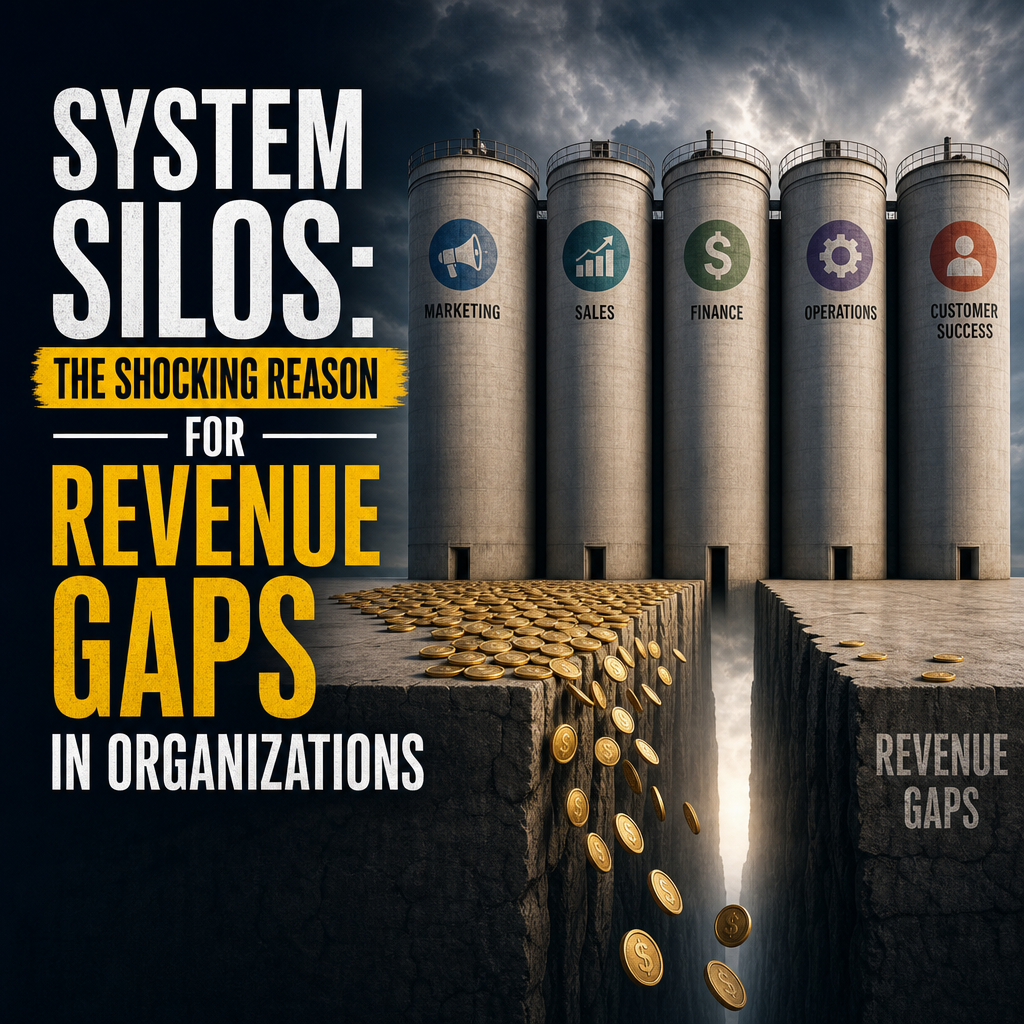
System silos are an often-overlooked culprit behind significant revenue gaps in organizations across various industries. These silos refer to isolated pockets of technology, data, or processes within a company that function independently without sufficient integration or communication with other departments. While each system or department might operate efficiently on its own, the lack of cohesion can lead to missed opportunities, duplicated efforts, and ultimately, gaps in revenue that affect the company’s bottom line.
Understanding how system silos form and contribute to revenue gaps is essential for executives and managers who want to optimize organizational performance and drive consistent growth. In today’s fast-paced business environment, where agility and data-driven decisions are crucial, bridging these gaps is more important than ever.
What Are System Silos?
System silos arise when departments or teams within an organization utilize different software platforms, databases, or procedures that don’t seamlessly interact. For example, the sales team might use a Customer Relationship Management (CRM) tool, while marketing relies on a separate marketing automation system, and finance maintains another platform for invoicing and revenue tracking. If these systems don’t share data efficiently, it can create fragmented views of customer information, sales pipelines, and financial reporting.
This fragmentation makes it difficult to gain a holistic understanding of customer behavior and organizational performance. Employees may spend valuable time reconciling data manually or worse, operate on outdated or incomplete information. As a result, strategic decision-making is impaired, and revenue-generating opportunities may fall through the cracks.
How System Silos Create Revenue Gaps
Revenue gaps occur when the income a business expects fails to materialize due to inefficiencies or breakdowns in processes. System silos contribute to these gaps in several ways:
1. Missed Cross-Selling and Upselling Opportunities: When sales and marketing data aren’t integrated, teams may miss signals that indicate when a customer is ready for an additional product or service. Without a unified system, insights about customer preferences or purchase history remain siloed, limiting tailored outreach that drives incremental sales.
2. Inefficient Lead Management: Marketing might generate leads that are slow to get shared with sales due to disconnected systems or manual handoffs. This delay can reduce conversion rates and result in lost revenue.
3. Inaccurate Financial Forecasts: Since revenue data is fragmented across multiple systems, finance teams may struggle to produce accurate forecasts or understand which deals are behind schedule or at risk. Misaligned data leads to poor resource allocation and can stall investment in growth initiatives.
4. Duplicated Efforts and Increased Costs: Silos foster redundancies where teams recreate information or workflows already handled elsewhere. This duplication not only wastes time but also inflates costs, cutting into profitability.
Breaking Down System Silos to Close Revenue Gaps
Addressing the problem of system silos requires a combination of technology and organizational change. Here are key steps to mitigate their impact:
1. Invest in Integrated Technology Solutions
Adopting integrated platforms or implementing middleware solutions can harmonize data across different departments. Centralized dashboards and connected software ecosystems provide real-time visibility into revenue-related metrics and customer journeys, empowering teams to act swiftly and strategically.
2. Foster Cross-Department Collaboration
Encouraging open communication between sales, marketing, finance, and other key functions helps align goals and ensures that insights and data flow freely. Regular meetings and shared KPIs can reinforce a collaborative culture that reduces silo mentality.
3. Standardize Data and Processes
Creating consistent data definitions and workflows across business units minimizes confusion and duplication. Standardization helps in tracking performance accurately and ensures that everyone is speaking the same language.
4. Use Data Analytics to Identify Revenue Leaks
Leveraging analytics tools to audit existing processes can uncover hidden revenue leaks caused by system misalignments. Insight into where deals stall, where leads drop off, or where manual interventions create bottlenecks allows targeted improvement efforts.
The Long-Term Benefits of Overcoming System Silos
The continuous operation of siloed systems not only affects short-term revenue but can erode competitive advantage over time. By investing in integration and collaboration, organizations can unlock the full potential of their data and resources. This leads to more predictable revenue streams, enhanced customer experiences, and a stronger foundation for scalable growth.
In summary, system silos represent a shocking but solvable reason behind many revenue gaps in organizations. Companies that recognize the hidden costs of disconnected systems and take deliberate steps to unify their operations will position themselves for sustainable success in an increasingly interconnected business landscape.