
System Silos: The Shocking Reason Behind Revenue Gaps Organizations Face
July 7, 2026
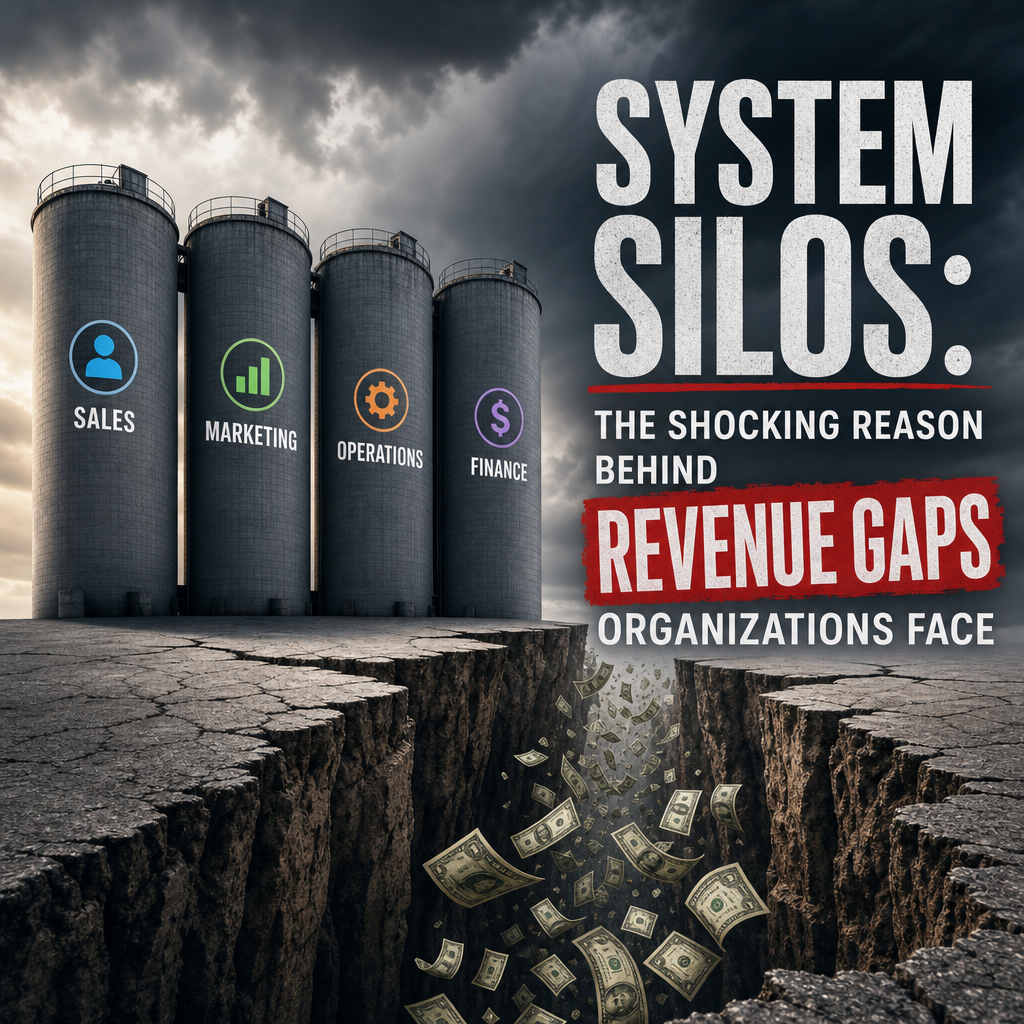
System silos are a hidden barrier in many organizations that can dramatically impact overall performance, often leading to unexpected revenue gaps. These silos occur when different departments or systems within a company operate in isolation rather than collaborating effectively. This lack of integration can hinder communication, slow down processes, and ultimately affect the organization’s bottom line in surprising ways.
Understanding the concept of system silos is critical to unlocking hidden opportunities for growth and eliminating costly inefficiencies. In many businesses, data and resources are trapped within disconnected systems, preventing a seamless flow of information. This fragmentation causes departments—such as sales, marketing, finance, and operations—to make decisions based on incomplete or outdated data, directly contributing to revenue discrepancies.
How System Silos Contribute to Revenue Gaps
Revenue gaps often arise when there’s a breakdown in coordination between key business functions. System silos exacerbate this issue by creating uneven access to real-time information and hindering cross-functional collaboration. For example, if marketing platforms do not sync with sales tools, the sales team may miss out on qualified leads, resulting in lost revenue. Similarly, disconnected inventory systems can impair order fulfillment, leading to customer dissatisfaction and reduced repeat business.
Moreover, system silos can lead to duplicated efforts and wasted resources. When teams do not share insights or update information promptly, work may be done multiple times unnecessarily or opportunities for upselling and cross-selling may be overlooked. In turn, this inefficiency inflates operational costs while eroding potential revenue streams.
The Impact of Poor Data Flow on Decision-Making
At the heart of system silos is the challenge of poor data flow. When data is confined to specific departments without being centralized or interoperable, managers cannot get a clear picture of the company’s financial health, customer behavior, or market trends. This fragmented view impedes strategic planning and forecasting, causing organizations to underestimate or overestimate their revenue potential.
Revenue gaps often widen because decision-makers cannot act on timely, accurate information. For instance, finance teams might report financial figures based on monthly snapshots, while sales or customer service teams encounter daily fluctuations that aren’t visible across departments. This misalignment leads to missed targets, delayed corrective actions, and ultimately, lower revenue than expected.
Strategies to Break Down System Silos and Close Revenue Gaps
Addressing system silos requires a concerted effort to foster better integration and communication throughout the organization. One effective strategy is adopting unified technology platforms that connect disparate systems. Enterprise Resource Planning (ERP) solutions, Customer Relationship Management (CRM) systems, and business intelligence tools that allow data sharing and real-time updates help eliminate information bottlenecks.
Additionally, promoting a culture of collaboration where departments routinely share insights and work toward common goals is vital. Regular cross-functional meetings and the use of collaborative software can break down communication barriers and align teams around revenue objectives.
Another key approach is investing in data governance and analytics. By standardizing data formats and establishing clear ownership, organizations can ensure consistent reporting and actionable insights that reflect the full scope of business activities. Advanced analytics can identify patterns and gaps contributing to revenue loss, enabling proactive interventions.
Real-World Examples of Overcoming System Silos
Many successful companies have transformed revenue outcomes by dismantling system silos. A global manufacturing firm, for example, implemented an integrated ERP system linking sales, inventory, and finance departments. This shift allowed real-time visibility into product demand and supply chain status, reducing stockouts and lost sales. As a result, the company closed significant revenue gaps that had gone unnoticed under siloed systems.
Similarly, a retail chain streamlined its marketing and customer service platforms into a unified CRM, enabling personalized promotion campaigns based on accurate customer profiles. The improved coordination translated into increased sales conversion rates and stronger customer loyalty.
Conclusion
System silos are a critical, yet often overlooked, cause of revenue gaps that can undermine an organization’s growth and profitability. By isolating essential data and processes, silos create operational inefficiencies and decision-making blind spots that directly impact financial performance. To close these gaps, businesses must pursue integrated technology solutions, encourage interdepartmental collaboration, and harness data to make informed, timely decisions. Breaking down system silos not only uncovers hidden revenue potential but also strengthens overall organizational resilience in a competitive market.