
System Silos: The Shocking Cause of Revenue Gaps Organizations Must Fix
June 2, 2026
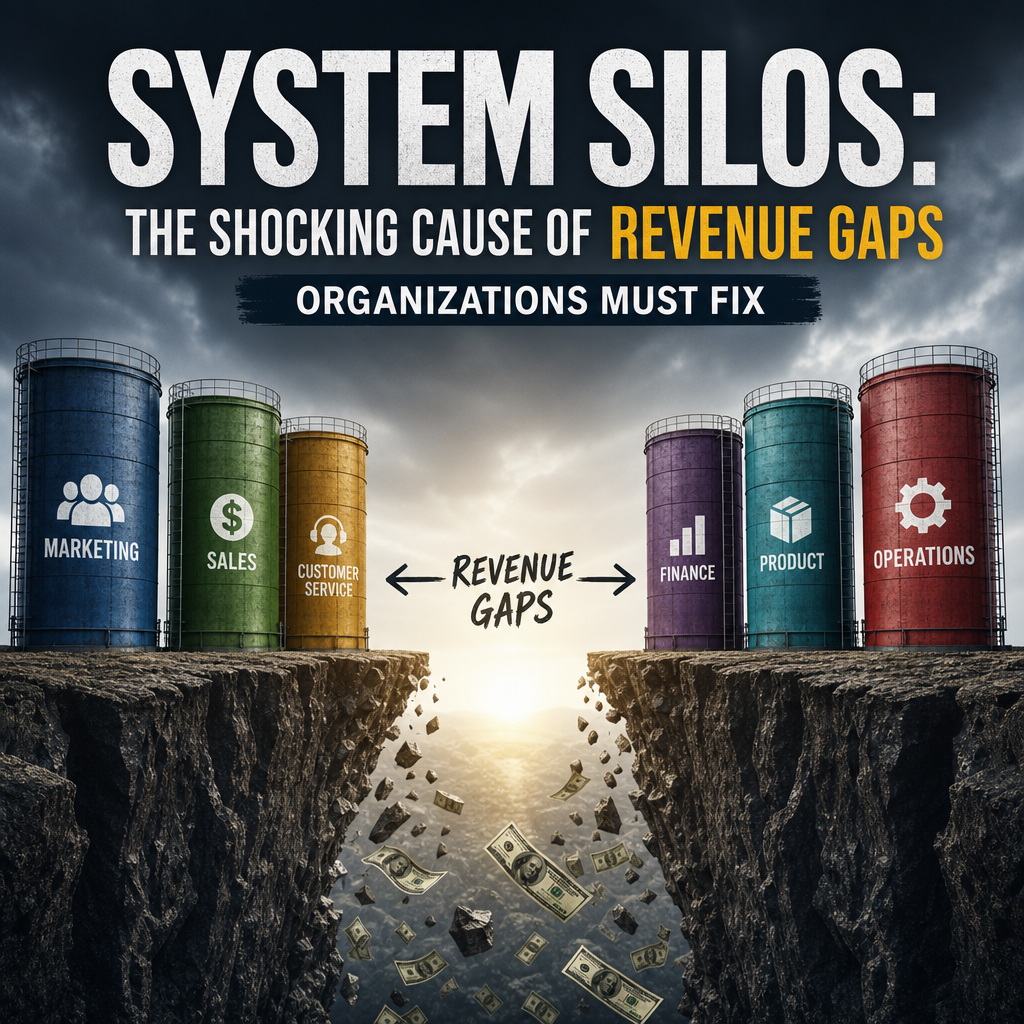
System silos are an often overlooked but shocking cause of revenue gaps within organizations. These isolated pockets of data, processes, and technology restrict the free flow of information and hinder collaboration across departments. When different parts of a business operate independently without integration, the consequences can seriously impact the bottom line. Understanding how system silos emerge and addressing them proactively is essential for organizations aiming to maximize revenue and drive sustainable growth.
What Are System Silos and Why Do They Occur?
System silos form when software platforms, databases, or communication channels are segregated by department or function. For example, the sales team might use a customer relationship management (CRM) system that is not connected to the marketing automation platform, while the finance department relies on a separate accounting system. This fragmentation often arises due to legacy systems being implemented at different times or following mergers and acquisitions that combine disparate technology stacks.
Several factors contribute to the persistence of these silos:
– Lack of interdepartmental communication or collaboration
– Budget constraints prohibiting unified technology investments
– Reliance on specialized tools designed for isolated processes
– Resistance to change or fear of disrupting established workflows
Unfortunately, the hidden cost of these silos is rarely visible until revenue starts to slip or growth targets are missed.
How System Silos Create Revenue Gaps in Organizations
Revenue gaps occur when an organization’s actual earnings fall short of its potential or forecasted revenue. System silos contribute to these gaps in multiple, interconnected ways:
1. Inefficient Sales and Marketing Alignment
When sales and marketing systems don’t share data, it becomes difficult to track leads through the funnel effectively. Marketing might generate leads without insight into their quality or conversion rates, while sales teams struggle to access relevant customer history or tailored messaging. This misalignment can lead to lost opportunities, lower conversion rates, and ultimately missed revenue.
2. Duplicated Efforts and Increased Operational Costs
Without integration, departments often duplicate data entry and manual processes to compensate for disconnected systems. This inefficiency wastes valuable employee time and increases the risk of errors. Costly redundancies add up, eating into profit margins and widening the gap between expected and actual revenue.
3. Poor Customer Experience
Customers today expect seamless interactions across channels. System silos can lead to fragmented experiences, such as inconsistent messaging, delayed responses, or lack of visibility into previous interactions. Dissatisfied customers are less likely to make repeat purchases or provide referrals, directly impacting revenue streams.
4. Missed Insights and Limited Data-Driven Decisions
Disjointed systems prevent organizations from generating a comprehensive view of performance metrics, customer behavior, and market trends. Without unified analytics, decision-makers lack the visibility required to identify growth opportunities or address weaknesses promptly. The inability to leverage data intelligence creates blind spots that contribute to revenue shortfalls.
Strategies to Break Down System Silos and Close Revenue Gaps
Addressing system silos requires a combination of technological, organizational, and cultural changes. Organizations that successfully eliminate these barriers can enhance collaboration, boost efficiency, and unlock new levels of profitability.
1. Invest in Integrated Technology Platforms
Adopt platforms that unify customer data, automate workflows, and enable real-time communication between departments. Modern Customer Data Platforms (CDPs), Enterprise Resource Planning (ERP) systems, and connected CRM solutions are designed to break down silos by consolidating information on a single interface.
2. Promote Cross-Functional Collaboration
Encourage teams from sales, marketing, finance, and customer service to work together regularly. Joint planning sessions, shared KPIs, and collaborative tools help align goals and improve transparency, ensuring everyone has access to the data they need.
3. Standardize Data and Processes
Unify data formats and establish standardized processes for entering, updating, and reporting information. Clean, consistent data reduces friction between systems and improves the accuracy of business intelligence.
4. Foster a Culture of Change and Continuous Improvement
Leadership must champion the eradication of silos, emphasizing the link between integration and revenue impact. Training programs and change management initiatives can help employees embrace new tools and workflows.
5. Monitor and Measure Progress
Set clear metrics to track how system integration efforts affect revenue and operational efficiency. Use dashboards to visualize improvements and identify remaining bottlenecks.
Conclusion
System silos represent a silent but potent threat to organizational revenue. Their presence fragments critical data and cripples collaboration, resulting in costly inefficiencies and lost sales opportunities. By recognizing system silos as a root cause of revenue gaps and committing to integration and cross-functional cooperation, companies can transform silos into streams of growth. Breaking down these barriers not only enhances performance but creates a more agile, customer-centric organization poised for long-term success.