
Cybersecurity Strategy: A Must-Have for Business Resilience and Growth
August 1, 2026
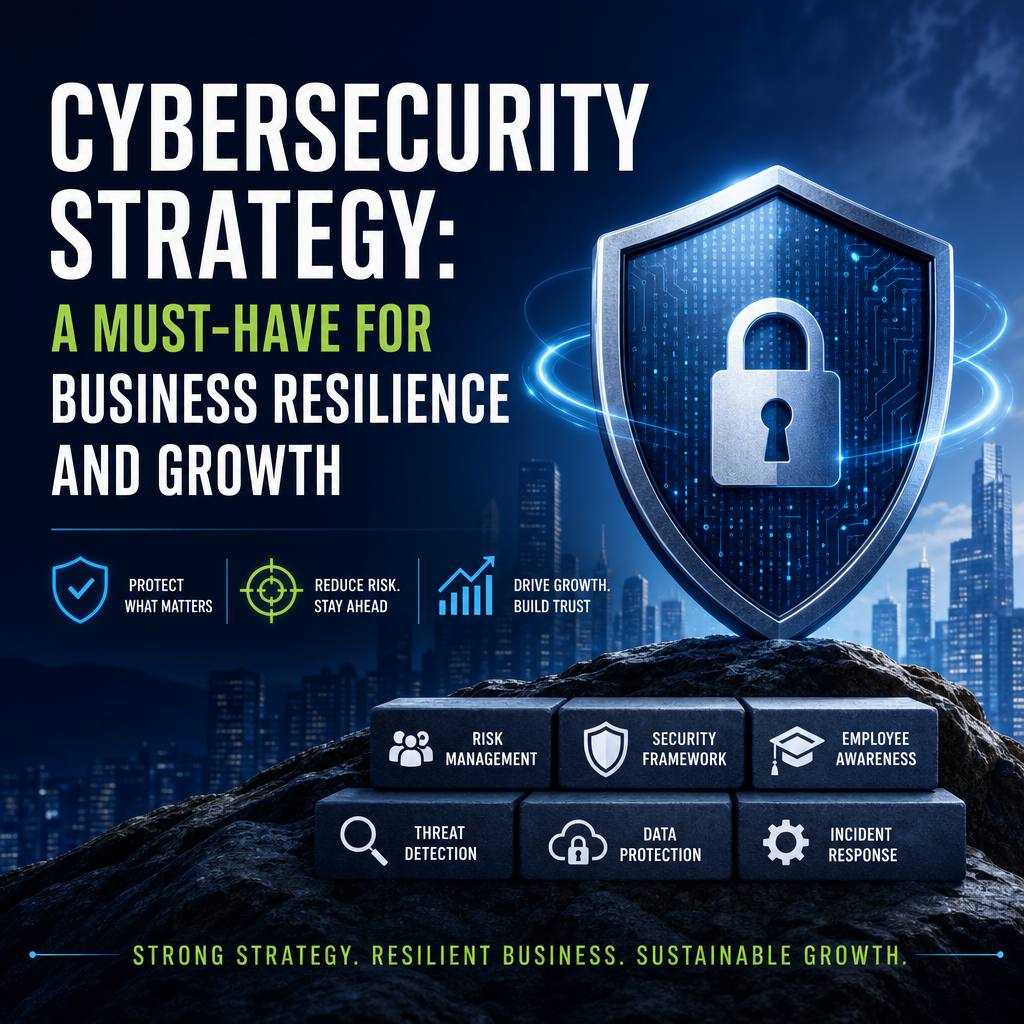
Cybersecurity strategy plays a critical role in ensuring business resilience and fostering sustainable growth in today’s digital landscape. As cyber threats continue to evolve and increase in frequency, organizations must adopt comprehensive strategies to protect their assets, data, and reputation. A well-crafted cybersecurity strategy not only safeguards against cyberattacks but also enables companies to recover quickly and maintain operational continuity, which is essential for long-term success.
Understanding the Importance of a Cybersecurity Strategy for Business Resilience
Business resilience refers to an organization’s ability to absorb, adapt, and rapidly recover from disruptive events, including cyber incidents. A robust cybersecurity strategy acts as a preventative and responsive framework to minimize the risks associated with cyber threats. Without it, businesses face potential financial losses, legal liabilities, reputational damage, and operational downtime.
A cybersecurity strategy establishes clear guidelines, processes, and technologies that collectively reduce vulnerabilities and improve response times. It shifts a company’s mindset from reactive to proactive by enabling continuous monitoring, risk assessment, and improvement. Ultimately, this foresight increases confidence among stakeholders—including customers, partners, and employees—by demonstrating a commitment to security and trust.
Core Components of an Effective Cybersecurity Strategy
Developing a strong cybersecurity strategy involves several key components that address the diverse nature of cyber risks:
Risk Assessment and Management
Identifying and prioritizing potential threats is the foundation of any cybersecurity strategy. Businesses must evaluate their critical assets, including intellectual property, customer information, financial data, and operational systems. By understanding their risk exposure, organizations can allocate resources to safeguard the most valuable areas efficiently.
Implementing Multi-Layered Security Controls
Relying on a single defense mechanism is insufficient in today’s threat environment. A comprehensive cybersecurity strategy incorporates multiple layers of protection such as firewalls, intrusion detection systems, endpoint security, encryption, and secure access controls. Layered defenses reduce the likelihood of successful breaches and mitigate potential damage.
Employee Training and Awareness
Human error remains one of the most common vulnerabilities in cybersecurity. Regular training programs educate employees on best practices, phishing detection, password hygiene, and reporting suspicious activities. Empowering staff with knowledge significantly strengthens an organization’s security posture.
Incident Response Planning
Even with the best precautions, cyber incidents can happen. An effective cybersecurity strategy includes a detailed incident response plan to identify, contain, eradicate, and recover from attacks swiftly. This preparation minimizes downtime and financial impact while preserving data integrity.
Continuous Monitoring and Improvement
Cybersecurity is not a one-time effort; it requires ongoing vigilance. Businesses must implement continuous monitoring tools to detect abnormal activities or vulnerabilities. Periodic audits and updating security protocols ensure the strategy adapts to emerging threats and technological advancements.
How Cybersecurity Strategy Drives Business Growth
In addition to protecting a company, a well-executed cybersecurity strategy fosters business growth by building customer trust and enabling innovation.
Enhancing Customer Confidence
Customers today are acutely aware of data privacy and security issues. Companies that demonstrate strong cybersecurity commitments differentiate themselves in the market and earn greater loyalty. This trust can translate into increased sales, improved client retention, and more lucrative partnerships.
Supporting Digital Transformation
As businesses increasingly adopt cloud computing, remote work, and Internet of Things (IoT) technologies, the attack surface expands. A proactive cybersecurity strategy supports these initiatives by ensuring that new technologies are integrated securely, reducing risks associated with innovation.
Regulatory Compliance
Many industries face stringent regulations concerning data protection. A comprehensive cybersecurity strategy helps organizations maintain compliance with laws such as GDPR, HIPAA, or CCPA, avoiding costly fines and legal challenges.
Reducing Operational Disruptions
Cybersecurity incidents often cause business interruptions and productivity losses. Investing in a reliable strategy minimizes downtime and maintains smooth operations, which is essential for preserving revenue streams and customer satisfaction.
Conclusion
Investing in a cybersecurity strategy is no longer optional but a critical requirement for organizations aiming for business resilience and growth. By addressing risks proactively, educating employees, implementing robust security measures, and preparing for incident response, companies can defend against cyber threats while seizing new opportunities with confidence. In a world where technology is deeply integrated into every aspect of business, a strategic approach to cybersecurity is foundational to long-term success and competitive advantage.