
Revenue Loss: Must-Have Tips to Fix Costly Business Operations Mistakes
July 14, 2026
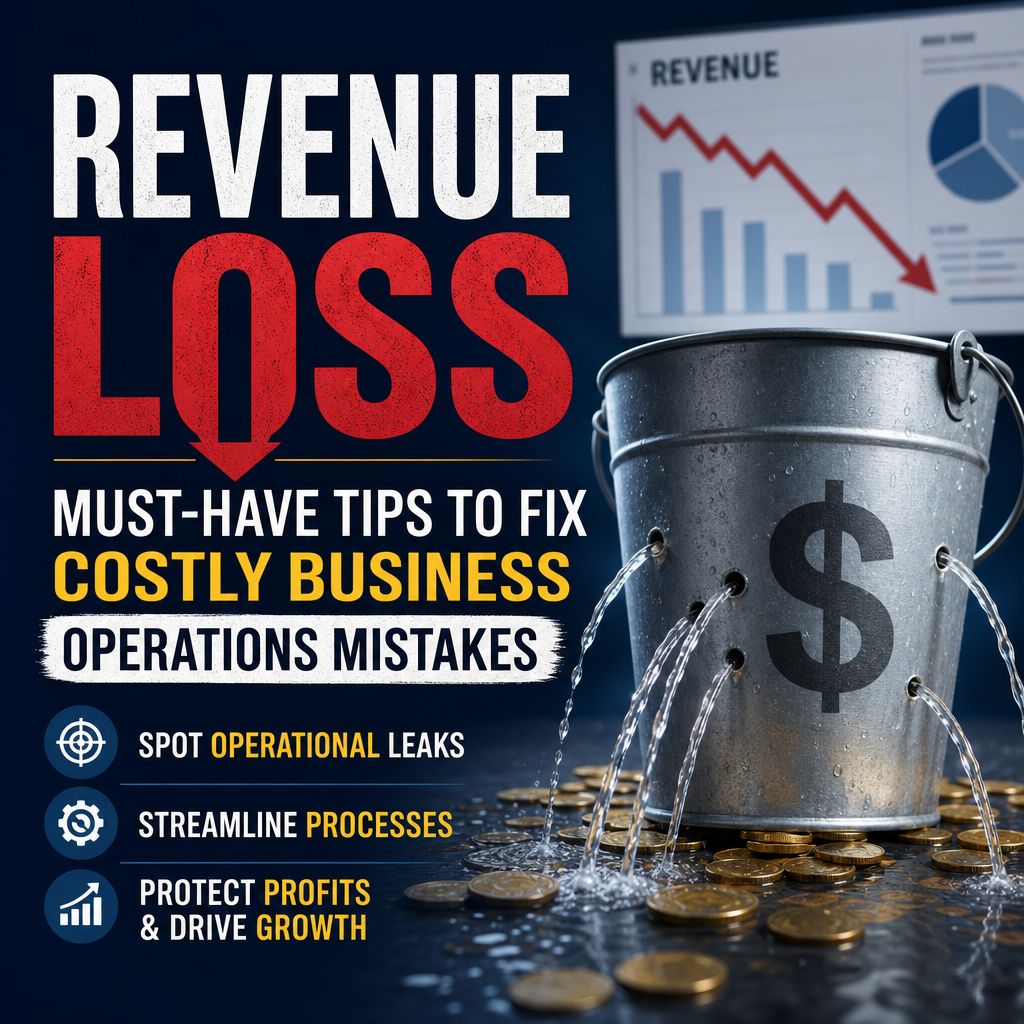
Revenue loss is a critical issue that many businesses face, often stemming from inefficient or flawed business operations. When operations are not optimized, companies risk wasting valuable resources and missing out on potential profits. Understanding the common mistakes in business operations and knowing how to address them can prevent significant financial setbacks. This article will explore must-have tips to fix costly business operations mistakes and help you safeguard your company’s bottom line.
Identifying Key Causes of Revenue Loss in Business Operations
Before diving into solutions, it’s important to recognize the typical areas where operational inefficiencies lead to revenue loss. These can include:
– Poor inventory management, resulting in overstocking or stockouts
– Inefficient workflow processes causing delays and missed deadlines
– Inadequate employee training leading to errors and low productivity
– Lack of real-time data tracking and analysis for decision making
– Redundant or outdated technology that slows down operations
– Weak supplier and vendor relationships affecting costs and quality
Identifying which of these issues are affecting your business is the first step in addressing the problem effectively.
Streamline Workflow to Minimize Revenue Loss
Optimizing workflow is crucial in minimizing unnecessary costs and boosting overall productivity. Start by mapping out your current processes to spot bottlenecks and redundant tasks. Using tools like process flowcharts or business process management software can illuminate inefficiencies.
Once identified, eliminate or automate repetitive tasks wherever possible. Automation tools not only speed up operations but also reduce the risk of human error, which can be costly. For example, automating order processing or invoicing can save time and prevent mismatches that delay payments.
Also, establish clear communication channels and responsibilities among team members. Miscommunication often results in duplicated efforts or missed steps, both of which harm revenue.
Invest in Employee Training and Development
One of the hidden causes of revenue loss lies in undertrained staff. Employees who lack the necessary skills or knowledge can make costly mistakes or require more time to complete tasks.
Regular training programs tailored to your business operations ensure your team stays competent and confident. Provide training on new software, customer service techniques, compliance standards, and operational best practices.
Beyond initial training, encourage continuous learning through workshops, webinars, and performance feedback sessions. Skilled employees improve operational accuracy and efficiency, directly contributing to better financial outcomes.
Leverage Technology for Data-Driven Decisions
Many businesses suffer revenue loss by making decisions based on outdated or incomplete information. Implementing modern data tracking and analytic systems empowers managers to spot trends, evaluate performance, and forecast demand accurately.
Use business intelligence software that integrates with your operational platforms to provide real-time insights. This allows you to quickly address issues like production delays, sales downturns, or inventory shortages before they impact revenue.
Additionally, predictive analytics can help anticipate customer needs or market shifts, enabling proactive adjustments that keep your operations aligned with demand.
Enhance Inventory Management Practices
Mismanagement of inventory is a common culprit behind excess costs and lost sales. Overstocking ties up capital in unsold goods, while stockouts frustrate customers and shrink market share.
Adopting inventory management systems with automated reorder points and real-time stock tracking helps maintain optimal inventory levels. Implement demand forecasting based on historical sales data to align purchasing with actual consumption trends.
Partner closely with suppliers to improve supply chain reliability and negotiate better terms that reduce costs. Efficient inventory control reduces holding expenses and ensures you always have the right products available for your customers.
Regularly Audit and Optimize Business Operations
Continuous improvement is the key to preventing revenue loss over the long term. Schedule regular audits of your business processes to identify inefficiencies, compliance issues, or areas for cost reduction.
Use feedback from employees and customers to uncover operational pain points that might otherwise be overlooked. Benchmark your performance against industry standards to stay competitive.
After each audit, implement necessary changes with clear timelines and accountability to make sure improvements are sustained. Lean management principles, such as eliminating waste and optimizing resource use, are effective frameworks to guide these efforts.
Strengthen Supplier and Vendor Relationships
Strong partnerships with your suppliers and vendors can reduce costs and enhance operational reliability. Poor communication or contractual issues may result in delays, increased prices, or subpar product quality—all contributing to revenue loss.
Engage with your suppliers regularly to negotiate better pricing, flexible delivery schedules, and quality guarantees. Establish service-level agreements (SLAs) that clearly outline expectations and consequences for non-compliance.
By cultivating trustworthy partnerships, your business operations become more predictable, reducing risks that threaten your revenue streams.
—
Addressing revenue loss caused by business operations mistakes requires a proactive, comprehensive approach. By streamlining workflows, investing in employee skills, leveraging data-driven insights, refining inventory management, conducting regular audits, and strengthening supplier relationships, companies can significantly reduce costly inefficiencies. These must-have tips provide a roadmap to not only fix existing problems but also build a more resilient and profitable business for the future.