
Security Governance Leadership: The Must-Have Guide to Effective Security Management
July 24, 2026
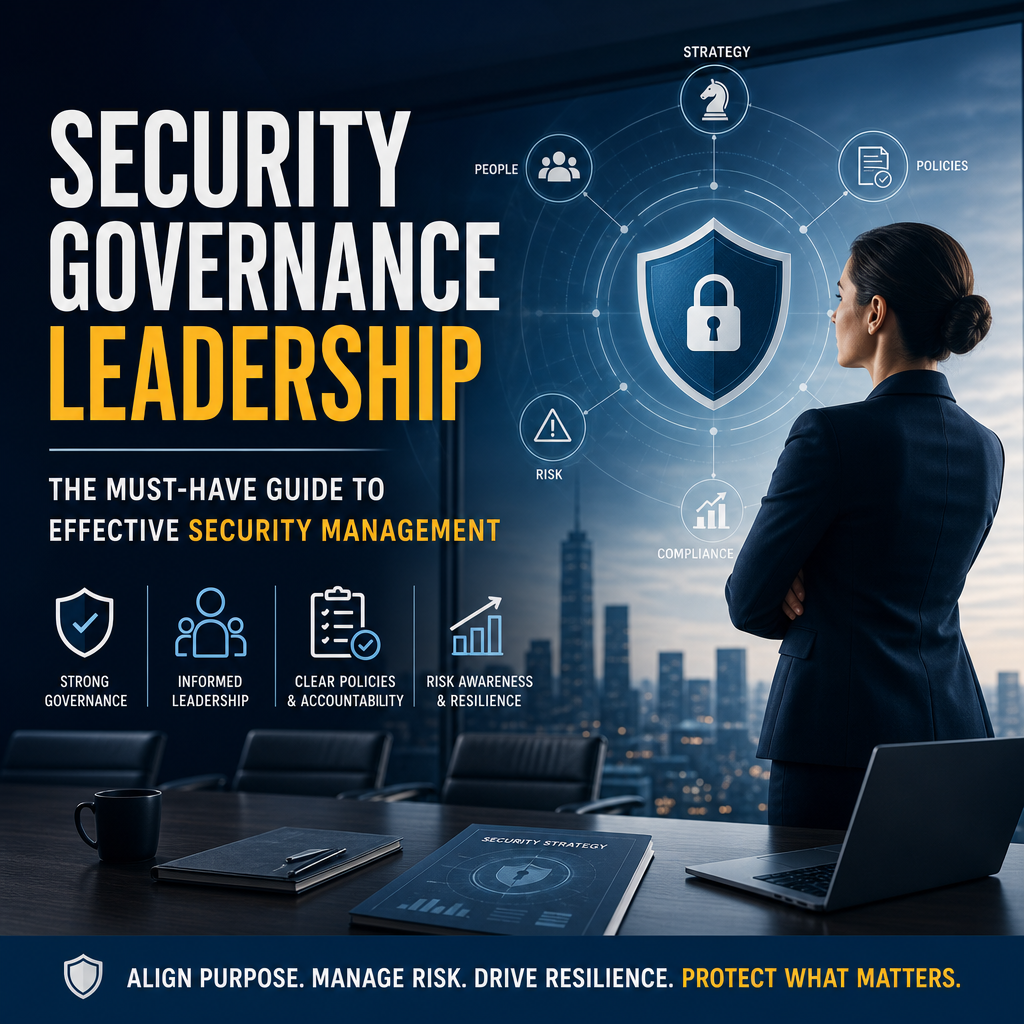
Security governance leadership is a critical component for organizations striving to protect their assets, data, and reputation in an increasingly complex threat landscape. Effective security management is not just about deploying the latest technology but also about embedding strong governance structures coupled with visionary leadership. This approach ensures that security initiatives align strategically with business goals while fostering a culture of risk awareness and accountability.
Understanding the Role of Security Governance in Leadership
At its core, security governance refers to the framework and processes that guide, control, and coordinate an organization’s security efforts. It defines how security policies are established, implemented, monitored, and improved. Leadership plays a pivotal role here, as governance cannot flourish without clear direction and commitment from the top. Security governance leadership demands executives to set priorities, allocate resources, and inspire teams to uphold stringent security standards.
Leaders in this space are not only policy enforcers but also advocates who communicate the value of security risks and investments across all organizational layers. They bridge the gap between technical teams and business stakeholders, ensuring that every security measure supports broader corporate objectives. Without proactive security governance leadership, organizations risk fragmented efforts, compliance failures, and exposure to cyber threats.
Key Elements of Effective Security Governance Leadership
Establishing Clear Security Policies and Objectives
One of the first tasks of leaders in security governance is to craft comprehensive policies that articulate the organization’s approach to managing risks. This involves setting clear, measurable security objectives aligned with the organization’s risk appetite and regulatory requirements. Effective leaders engage multiple stakeholders, from IT and legal teams to business units, to create policies that are practical and enforceable.
Promoting Risk Management and Compliance
Security governance leadership emphasizes continuous risk assessment and mitigation strategies. Leaders must ensure the organization regularly identifies emerging vulnerabilities, evaluates their impact, and implements controls to reduce exposure. This risk-based approach facilitates smarter decision-making and compliance with relevant laws and standards such as GDPR, HIPAA, or ISO 27001.
Fostering a Security-Aware Culture
No security framework can succeed without the people it affects understanding and committing to it. Leadership must champion security awareness training and cultivate an environment where employees at all levels recognize their role in protecting information assets. When security governance includes a cultural dimension, organizations reduce insider threats and enhance overall resilience.
Implementing Robust Monitoring and Reporting Mechanisms
Governance requires transparency and accountability. Effective security governance leadership installs mechanisms for tracking the performance of security initiatives. This includes regular audits, incident reporting, and feedback loops that help adjust policies and controls as needed. Leaders review these reports to maintain visibility over security posture and communicate outcomes to boards or executive committees.
Overcoming Challenges in Security Governance Leadership
Security governance leadership faces numerous challenges, including rapidly evolving cyber threats, resource constraints, and sometimes resistance to change within organizations. Leaders must be adaptable, continuously learning about new technologies and attack vectors, while balancing innovation with risk management.
Another challenge is breaking down silos between departments. Security affects everyone, so fostering collaboration across IT, operations, human resources, and other divisions is essential. Leaders who work to build cross-functional teams encourage shared responsibility and holistic protection strategies.
The Impact of Strong Security Governance Leadership on Business Success
Organizations with mature security governance and strong leadership not only reduce the likelihood of data breaches but also demonstrate reliability to customers and partners. A robust security posture supports business continuity, safeguarding revenue streams and brand reputation. Moreover, when leadership visibly prioritizes security governance, it attracts skilled talent and opens opportunities for growth into sectors that mandate stringent security compliance.
Conclusion
Security governance leadership is a must-have ingredient for effective security management. It integrates structured frameworks with inspiring leadership to drive an organization-wide commitment to security. By establishing clear policies, managing risks proactively, promoting a security-aware culture, and ensuring accountability through monitoring, leaders help their organizations stay resilient in the face of adversity. Investing in strong governance leadership today lays the foundation for safer, more trustworthy enterprises tomorrow.