
Cybersecurity Strategy: A Must-Have for Business Resilience and Growth
June 27, 2026
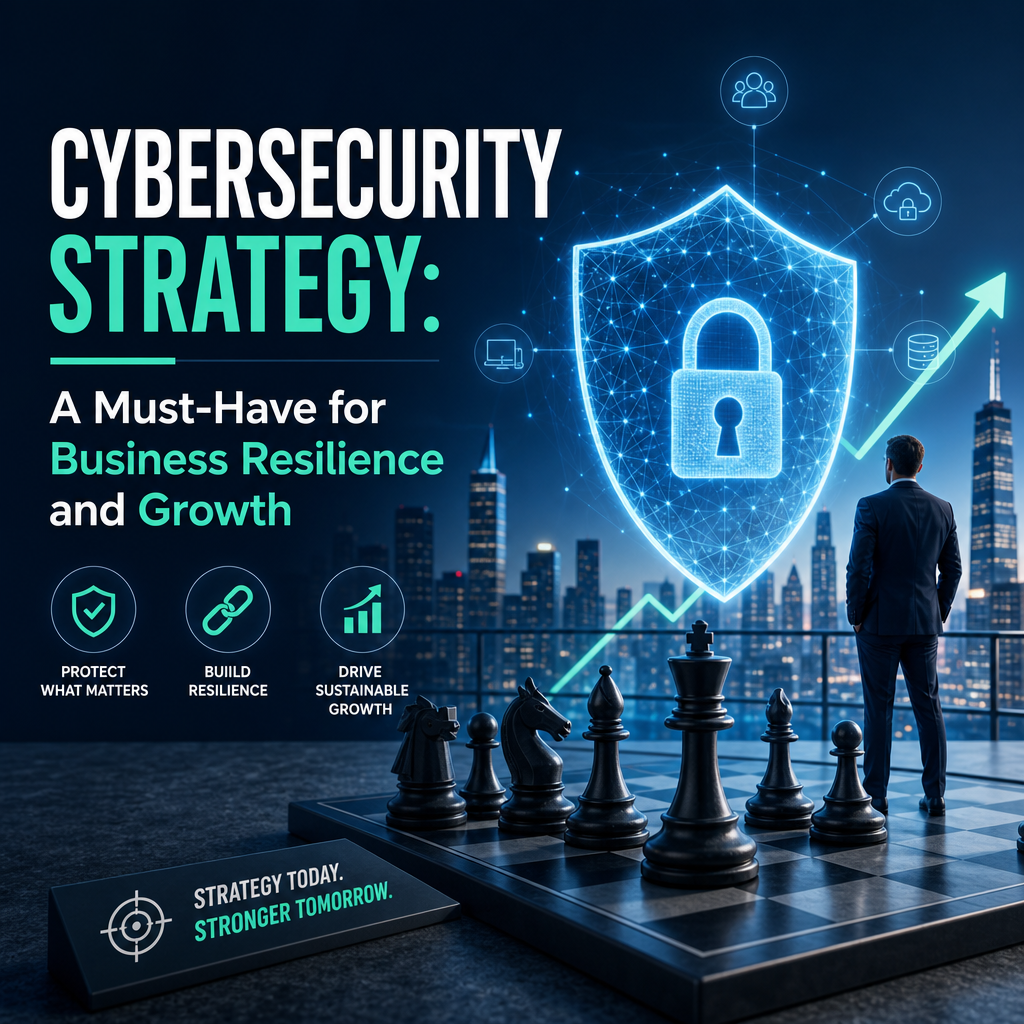
Cybersecurity strategy is no longer just a technical consideration; it has become a critical component in ensuring business resilience and sustaining growth. As cyber threats evolve in complexity and frequency, organizations must adopt comprehensive plans that protect their digital assets, maintain operational continuity, and foster trust among customers and stakeholders. Without a robust approach to cybersecurity, businesses face significant risks that can disrupt operations, damage reputations, and hinder long-term success.
Why a Cybersecurity Strategy Is Essential for Business Resilience
Business resilience refers to an organization’s ability to withstand and quickly recover from disruptions, whether caused by natural disasters, market fluctuations, or cyber incidents. In this context, a cybersecurity strategy is crucial because cyberattacks can have far-reaching consequences, impacting financial stability, data integrity, and customer confidence. Implementing a proactive cybersecurity strategy helps mitigate these risks by identifying vulnerabilities, preparing for potential threats, and setting up rapid response mechanisms.
Moreover, businesses today operate in a digital environment where data drives decision-making and innovation. Losing sensitive information or experiencing downtime due to cyberattacks can obstruct growth initiatives, cause regulatory compliance issues, and even lead to legal liabilities. A well-defined cybersecurity strategy supports resilience by ensuring that digital infrastructures remain secure, reliable, and aligned with business objectives.
Key Components of an Effective Cybersecurity Strategy
To build a cybersecurity strategy that enhances business resilience, companies must focus on several essential elements:
Risk Assessment and Management
Understanding which assets are most critical and what threats are most likely to occur is the first step. Conducting thorough risk assessments enables businesses to prioritize resources and implement targeted protections where they will have the greatest impact.
Employee Training and Awareness
Human error remains one of the leading causes of security breaches. Regular training programs educate employees about common attack methods such as phishing and social engineering, promoting a culture of vigilance that strengthens the overall security posture.
Multi-Layered Defense Systems
No single security measure is foolproof. Layered defenses—ranging from firewalls and intrusion detection systems to encryption and multi-factor authentication—create multiple barriers to potential attackers, reducing the likelihood of successful breaches.
Incident Response and Recovery Plans
Having a clear plan for detecting, reporting, and responding to cyber incidents minimizes damage and speeds up recovery. Testing these plans regularly ensures that teams are prepared to act swiftly in crisis situations.
Continuous Monitoring and Improvement
Cybersecurity threats are constantly evolving. Continuous monitoring of networks and systems, combined with regular updates to policies and technologies, helps businesses stay ahead of adversaries and adapt to new challenges.
The Business Growth Advantages of a Strong Cybersecurity Strategy
Beyond protecting against threats, a cybersecurity strategy contributes directly to business growth. Customers, investors, and partners increasingly expect high standards of data security and privacy. Demonstrating a commitment to cybersecurity can differentiate a company in the marketplace, build trust, and unlock new opportunities.
Furthermore, regulatory requirements across industries are becoming more stringent, particularly in sectors such as finance, healthcare, and e-commerce. Organizations with mature cybersecurity strategies are better positioned to comply with laws, avoid costly fines, and maintain smooth operations.
Innovation initiatives, such as adopting cloud technologies and digital transformation projects, also benefit from solid cybersecurity foundations. Secure platforms encourage more rapid adoption of cutting-edge tools and enable businesses to scale without compromising safety.
Integrating Cybersecurity Strategy into Overall Business Planning
To maximize its impact, cybersecurity should not be siloed within IT departments but integrated into broader business strategy discussions. Executives must recognize cybersecurity as an organizational imperative and allocate appropriate budgets and resources.
Collaboration across departments—including legal, human resources, and operations—ensures that security practices align with company goals and stakeholder expectations. Regular communication and reporting foster transparency and promote a unified approach to risk management.
Conclusion
In an era where the digital landscape continuously evolves, cybersecurity strategy is a cornerstone of business resilience and growth. By adopting comprehensive, forward-thinking security practices, businesses can safeguard their assets, maintain customer trust, and seize new opportunities with confidence. Investing in a strong cybersecurity framework is not only a defensive measure but a strategic enabler that supports long-term success.