
Revenue Leakage: 7 Must-Have Insights to Stop Enterprise Fraud
May 19, 2026
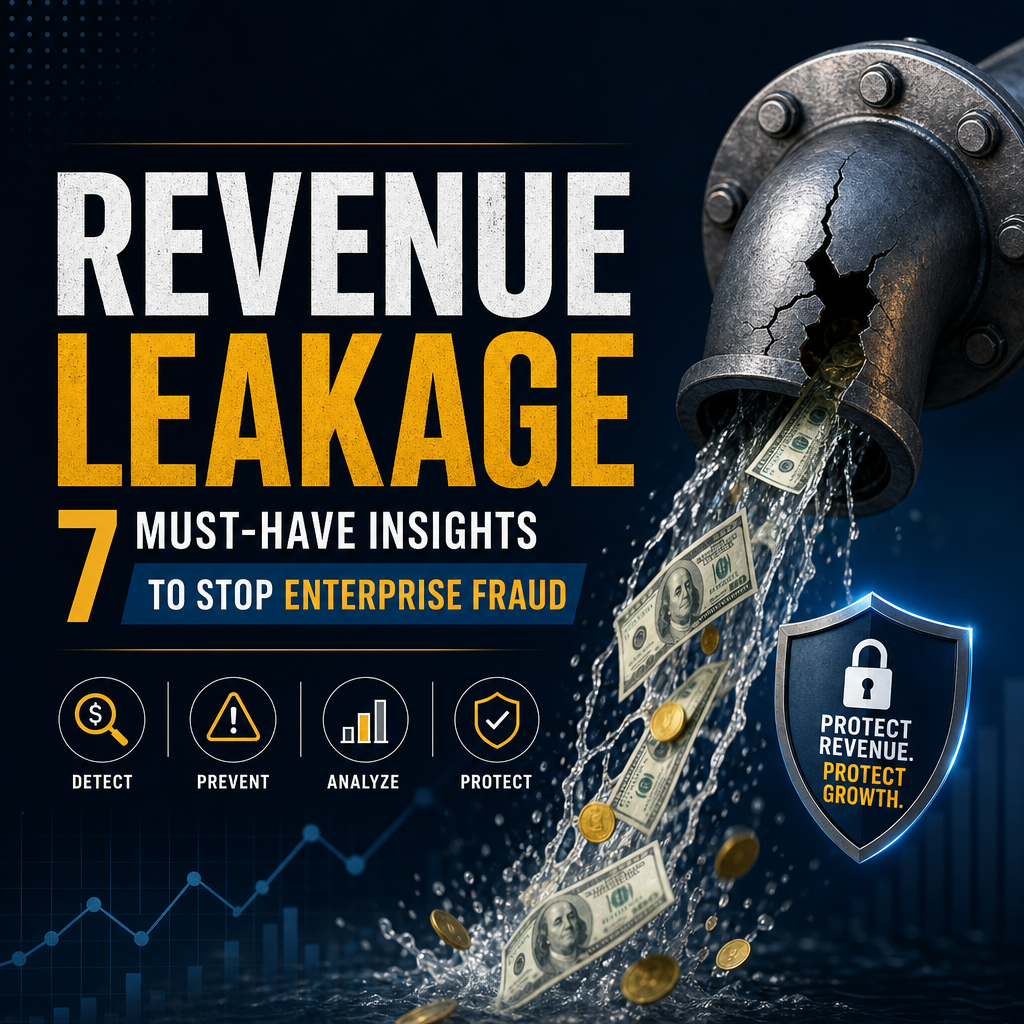
Revenue leakage is an often overlooked but critical issue that can significantly impact a company’s bottom line. When it comes to enterprise fraud, identifying and preventing these hidden losses is essential for maintaining profitability and operational integrity. In large organizations, revenue leakage can quietly accumulate through inefficient processes, billing errors, or intentional fraudulent activities, ultimately jeopardizing financial health. Understanding how to detect and stop revenue leakage linked to enterprise fraud is a vital step for any business aiming to safeguard its income.
The connection between revenue leakage and enterprise fraud
Enterprise fraud occurs when individuals or groups within a company exploit internal systems or manipulate business processes for financial gain. This fraudulent behavior can take many forms, such as false billing, unauthorized discounts, or misappropriation of assets. Revenue leakage happens when the company inadvertently loses money by failing to capture or collect revenue owed due to these fraudulent schemes or procedural gaps. Stemming from inadequate controls or oversight, revenue leakage tied to fraud may not only decrease profits but also erode trust and compliance within the business.
1. Identify common sources of revenue leakage
One of the first steps to combating revenue leakage is recognizing where it most commonly occurs. In enterprises, leakage often arises from billing mistakes, untracked sales returns, pricing errors, or contract mismanagement. Fraudulent activities—like manipulating invoices, creating fictitious vendors, or exploiting system loopholes—often appear within these vulnerable areas. A thorough audit of billing cycles, contract adherence, and revenue recognition procedures highlights gaps where leakage is likely happening.
2. Implement advanced data analytics for fraud detection
Data analytics tools enable companies to sift through vast amounts of transactional data to spot anomalies and patterns indicative of fraud. By automating the analysis of invoice irregularities, duplicate payments, or unexpected discount patterns, organizations can proactively detect and address revenue leakage. Machine learning models, in particular, learn to identify typical fraud indicators and flag suspicious activities in near real-time, reducing the window of vulnerability.
3. Strengthen internal controls and process standardization
Weak controls often provide opportunities for revenue leakage and fraud to occur unnoticed. Defining and enforcing standardized processes for billing, approvals, and reconciliations reduce human error and deter fraudulent behavior. Segregation of duties, mandatory multi-level reviews, and automated alerts for exceptions serve as key control mechanisms to safeguard revenue streams.
4. Foster employee awareness and ethical culture
Enterprise fraud is frequently enabled by insider actions, making employee conduct an essential focus area. Training staff to recognize revenue leakage risks and promoting a culture of transparency can help minimize fraudulent practices. Encouraging whistleblowing and providing secure reporting channels empower employees to report suspicious incidents without fear of retaliation.
5. Regularly review contracts and pricing agreements
Poorly managed contracts and pricing inconsistencies are hotbeds for revenue leakage. Automated contract lifecycle management systems ensure that terms are correctly applied and billing aligns with agreed-upon prices and deliverables. Routine system checks to validate discounts, rebates, and compliance clauses prevent unauthorized adjustments that erode revenue.
6. Leverage technology integration for seamless revenue management
Disconnected systems and manual data entry increase errors and create loopholes that fraudsters can exploit. Integrating sales, billing, inventory, and payment systems creates a cohesive revenue management framework that enhances transparency and traceability. Real-time synchronization reduces delays and ensures all revenue-generating activities are accurately recorded and accounted for.
7. Conduct periodic external and internal audits
Audits provide an independent assessment of revenue processes and help uncover hidden instances of revenue leakage and fraud. Combining external audits with internal continuous monitoring allows organizations to remediate weaknesses promptly and implement corrective measures. Regular audits also demonstrate compliance with regulatory requirements and bolster stakeholder confidence.
Conclusion
Revenue leakage poses a serious threat to enterprises, particularly when intertwined with fraudulent schemes. Stopping enterprise fraud requires a multi-faceted approach focused on data-driven detection, strong internal controls, employee vigilance, and integrated technology systems. By adopting these seven must-have insights—ranging from identifying risk areas to continuous auditing—businesses can significantly reduce revenue leakage, protect their assets, and maintain sustainable growth. Prioritizing revenue protection not only fortifies financial stability but also enhances the overall resilience of an organization in today’s competitive marketplace.