
Reconciliation Gaps: Must-Have Insights to Avoid Enterprise Audit Failures
June 14, 2026
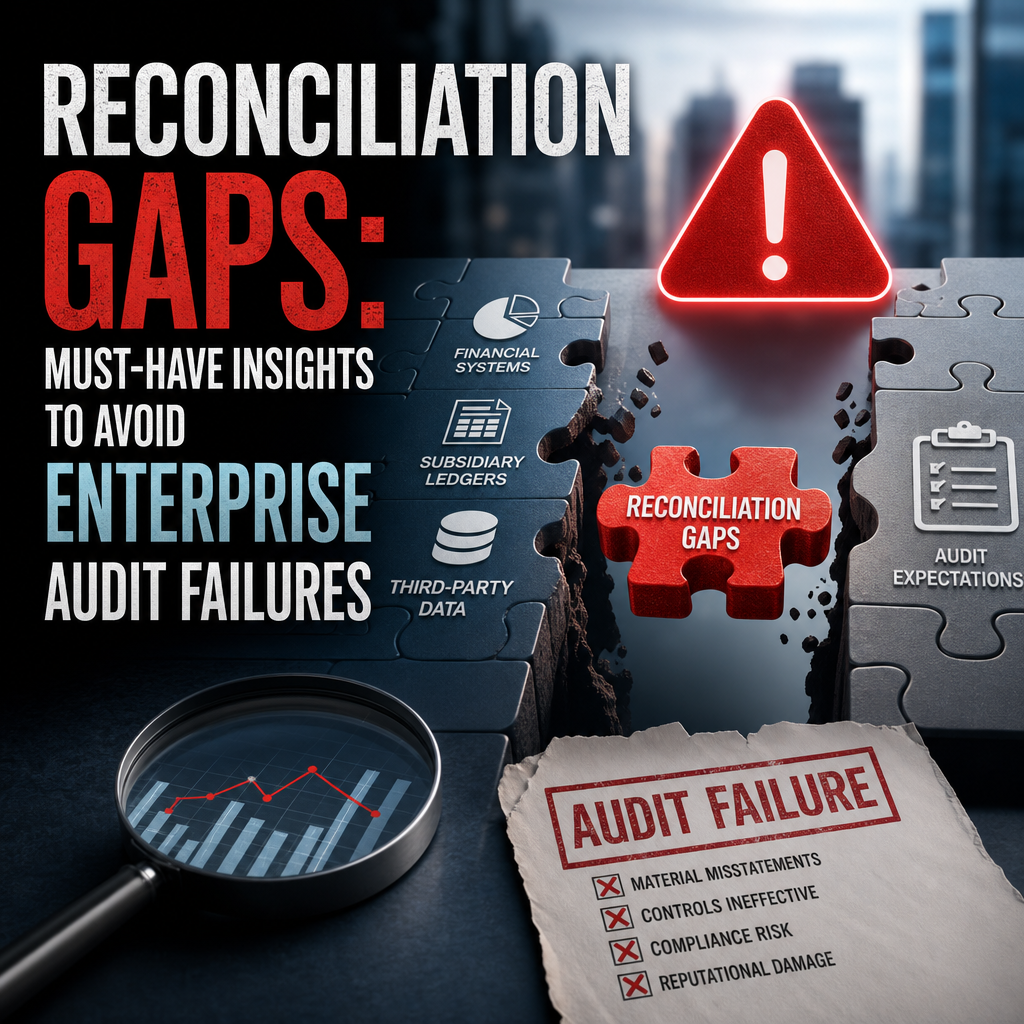
Reconciliation gaps are a critical concern that many organizations face during enterprise audits. These gaps occur when financial statements or accounts fail to align, leaving discrepancies that auditors must scrutinize carefully. Recognizing and addressing reconciliation gaps early is essential for businesses aiming to pass enterprise audits with flying colors and maintain compliance with regulatory standards.
Understanding Reconciliation Gaps and Their Impact on Enterprise Audit
Reconciliation gaps happen when there is a difference between two sets of records—typically between internal financial data and external reporting or subsidiary records. These gaps can result from timing differences, human error, or system issues. In an enterprise audit, reconciliation is a fundamental process auditors rely on to verify the accuracy and completeness of financial statements. If reconciliation gaps exist, they can lead to audit findings that may delay the audit completion, raise questions about data integrity, and potentially result in financial penalties or reputational damage.
A common example of reconciliation gaps includes unmatched transactions between bank statements and company ledger balances. When these mismatches are not resolved promptly, auditors may not be able to validate the financial records fully, leading to audit failure risks.
Common Causes of Reconciliation Gaps in Enterprises
To prevent audit failures, it’s important to identify what typically causes reconciliation gaps in large organizations:
– Manual Data Entry Errors: Enterprises often rely on vast volumes of data processed through multiple systems. Manual entries can introduce mistakes that accumulate and cause reconciliation problems.
– Timing Differences: Some transactions are recorded at different times in separate systems, such as accounts receivable and cash receipts, temporarily causing discrepancies.
– System Integration Issues: Disparate financial systems that do not communicate effectively can create mismatched data.
– Lack of Standardized Processes: Without clear and enforced reconciliation procedures, inconsistent methods are used across departments, leading to errors.
– Fraud or Unauthorized Transactions: Although less common, intentional manipulation or omission of records can cause significant reconciliation gaps.
Must-Have Insights to Avoid Reconciliation Gaps
Addressing reconciliation gaps requires a proactive approach. Here are key insights enterprises must consider to minimize such risks before and during an audit:
1. Automate Your Reconciliation Processes
Automation technology can drastically reduce human error and improve reconciliation accuracy. Many enterprise resource planning (ERP) platforms and specialized reconciliation software offer automated matching capabilities. These tools identify discrepancies faster and highlight exceptions requiring manual review, thus streamlining the entire audit preparation process.
2. Establish Clear and Consistent Policies
Standardizing reconciliation processes business-wide is essential. Documented policies outlining reconciliation frequency, responsibilities, and review protocols ensure everyone in the organization adheres to best practices. Consistency reduces errors and enhances accountability, which auditors regard favorably.
3. Conduct Regular Internal Audits and Controls
Do not wait for the external enterprise audit to identify issues. Regular internal audits of financial records and reconciliation activities help catch gaps early. Segregation of duties and routine control checks reinforce process integrity and demonstrate a commitment to high-quality financial management.
4. Enhance Staff Training and Awareness
Reconciliation accuracy depends on skilled personnel adequately trained in financial processes and audit expectations. Continuous education ensures that staff understand how to spot and rectify discrepancies promptly, making the audit smoother and less stressful.
5. Leverage Data Analytics and Reporting
Advanced data analytics tools can analyze large volumes of transactional data to detect anomalies and trends that might indicate reconciliation gaps. Management reports with real-time data visualization aid decision-making and help maintain reconciliation discipline.
The Role of Reconciliation Gaps in Enterprise Audit Success
Audit committees and external auditors look carefully at how enterprises manage reconciliation gaps during their assessments. A thorough and timely reconciliation process demonstrates robust financial controls and reduces the risk of material misstatements in financial reports. Companies that consistently manage and close reconciliation gaps not only improve audit outcomes but also enhance stakeholder confidence and regulatory compliance.
Conclusion
Reconciliation gaps pose a significant challenge to enterprise audits, but with the right strategies, these risks can be mitigated effectively. By embracing automation, enforcing policy consistency, conducting regular internal reviews, investing in training, and harnessing data analytics, organizations can close reconciliation gaps and ensure smoother, more successful enterprise audits. Taking these must-have insights seriously will help enterprises avoid costly audit failures and maintain strong financial governance.