
Revenue Risks in Utility Companies: Must-Have Strategies to Avoid Costly Losses
May 15, 2026
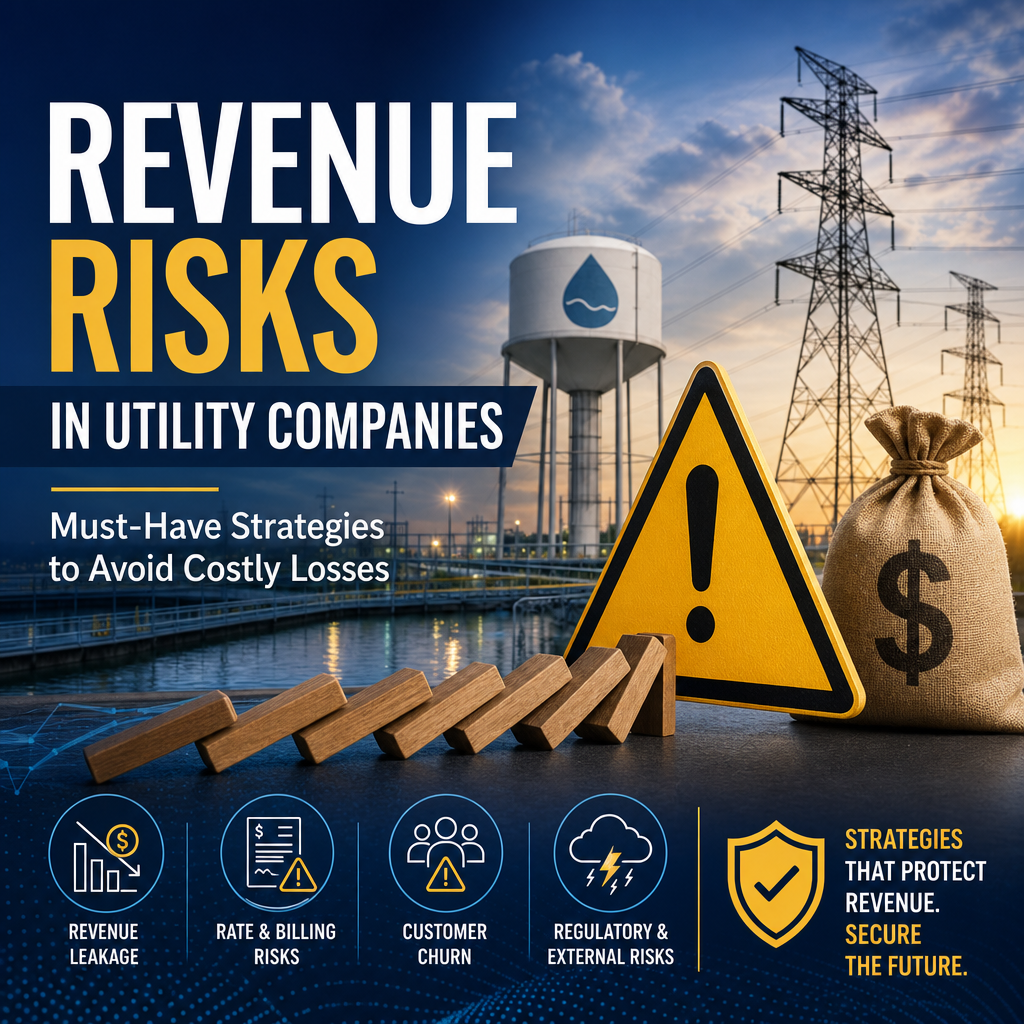
Revenue risks in utility companies are a critical challenge that can impact their financial stability and operational efficiency. As these companies deliver essential services such as electricity, water, and gas, any disruption or mismanagement in revenue streams can lead to costly losses. Understanding these risks and implementing effective strategies is vital for utility companies to safeguard their bottom line and maintain reliable service for their customers.
Understanding Revenue Risks in Utility Companies
Revenue risks in utility companies stem from various sources, including regulatory changes, operational inefficiencies, and market fluctuations. These risks can manifest as delayed payments, billing errors, or unauthorized consumption, each contributing to revenue leakage. Additionally, external factors like shifts in energy markets, policy reforms, or technological disruptions can directly influence a utility’s income.
One common form of revenue risk involves inaccurate billing systems. Errors in meter readings or data processing can cause underbilling or overbilling, either of which can hurt the company’s revenue or alienate customers. Moreover, regulatory pressures to keep tariffs low or to provide subsidized rates can restrict the company’s ability to recover costs, complicating financial planning.
Key Strategies to Mitigate Revenue Risks in Utility Companies
Implement Advanced Metering Infrastructure (AMI)
Adopting advanced metering infrastructure is a foundational strategy to reduce revenue risks in utility companies. AMI enables real-time data collection and remote meter reading, minimizing human error and improving the accuracy of consumption measurement. With enhanced data analytics, companies can quickly detect anomalies such as meter tampering or theft, which directly affect revenue.
Beyond accuracy, AMI supports dynamic pricing models and demand response programs, offering utilities the flexibility to adapt pricing and services according to consumption patterns. This responsiveness helps optimize revenue streams and customer satisfaction simultaneously.
Strengthen Regulatory Compliance and Reporting
Maintaining strict compliance with regulatory frameworks is imperative for minimizing revenue risks. Utility companies must invest in thorough reporting systems and ensure transparency in tariff structures and billing methods. Regular audits and reviews of financial and operational processes help identify potential vulnerabilities before they escalate into significant revenue losses.
Engaging proactively with regulatory bodies and staying informed about forthcoming policy changes allow utilities to adjust their strategies promptly, avoiding penalties or unfavorable financial conditions.
Enhance Credit and Collection Management
Late payments and defaults on bills pose a significant revenue risk. To combat this, utility companies should refine their credit and collection processes. This can include offering multiple payment options, automated reminders, and flexible payment plans to encourage timely payments.
Additionally, leveraging customer segmentation helps identify high-risk accounts and allows companies to tailor collection tactics appropriately. Providing excellent customer service alongside robust collections processes builds trust and reduces the incidence of non-payment.
Invest in Cybersecurity Measures
As digital systems become integral to utility operations, cybersecurity emerges as a critical factor in safeguarding revenue. Cyberattacks targeting billing systems, customer data, or operational technology can result in service interruptions and financial losses.
Deploying comprehensive cybersecurity protocols—including intrusion detection, data encryption, and routine vulnerability assessments—helps mitigate the risk of attacks. Training employees on cybersecurity best practices also fosters a culture of vigilance that supports long-term revenue protection.
Optimize Operational Efficiency Through Technology
Operational inefficiencies, such as frequent service outages, equipment failures, or supply chain disruptions, can significantly impact revenue. Technology solutions, such as predictive maintenance powered by artificial intelligence, enable utilities to anticipate issues before they cause losses.
Similarly, adopting enterprise resource planning (ERP) systems facilitates streamlined operations, better inventory management, and improved coordination across departments. Efficiency gains translate into reduced costs and more consistent revenue flows.
Engage in Strategic Risk Management
A comprehensive risk management framework is essential for anticipating and responding to revenue risks. This includes identifying potential threats, assessing their impact, and developing contingency plans. Scenario analysis and financial modeling support informed decision-making, helping utilities prepare for uncertain market conditions.
Insurance solutions tailored to utility operations can also provide a financial safety net against unforeseen events that could disrupt revenue.
Conclusion
Addressing revenue risks in utility companies requires a multifaceted approach that encompasses technology adoption, regulatory compliance, customer engagement, cybersecurity, and strategic management. By implementing these must-have strategies, utilities can minimize costly losses, enhance operational resilience, and ensure sustainable revenue growth. In an increasingly complex and dynamic environment, such proactive measures are not just prudent—they are indispensable for long-term success.